Forged Grinding Steel Ball Manufacturer & Supplier
ZD Mining supplies forged grinding steel balls for gold, copper and mineral-processing mills. We match ball diameter, grade, hardness profile and packing to the mill duty, ore condition and planned top-up schedule.
- Diameter range 20–150 mm · forged or hot-rolled
- Typical hardness HRC 55–65, grade dependent
- Chemical composition and hardness checked per batch
- Bulk bags, drums or export packing by destination
Equipment selection
Forged Grinding Steel Balls overview
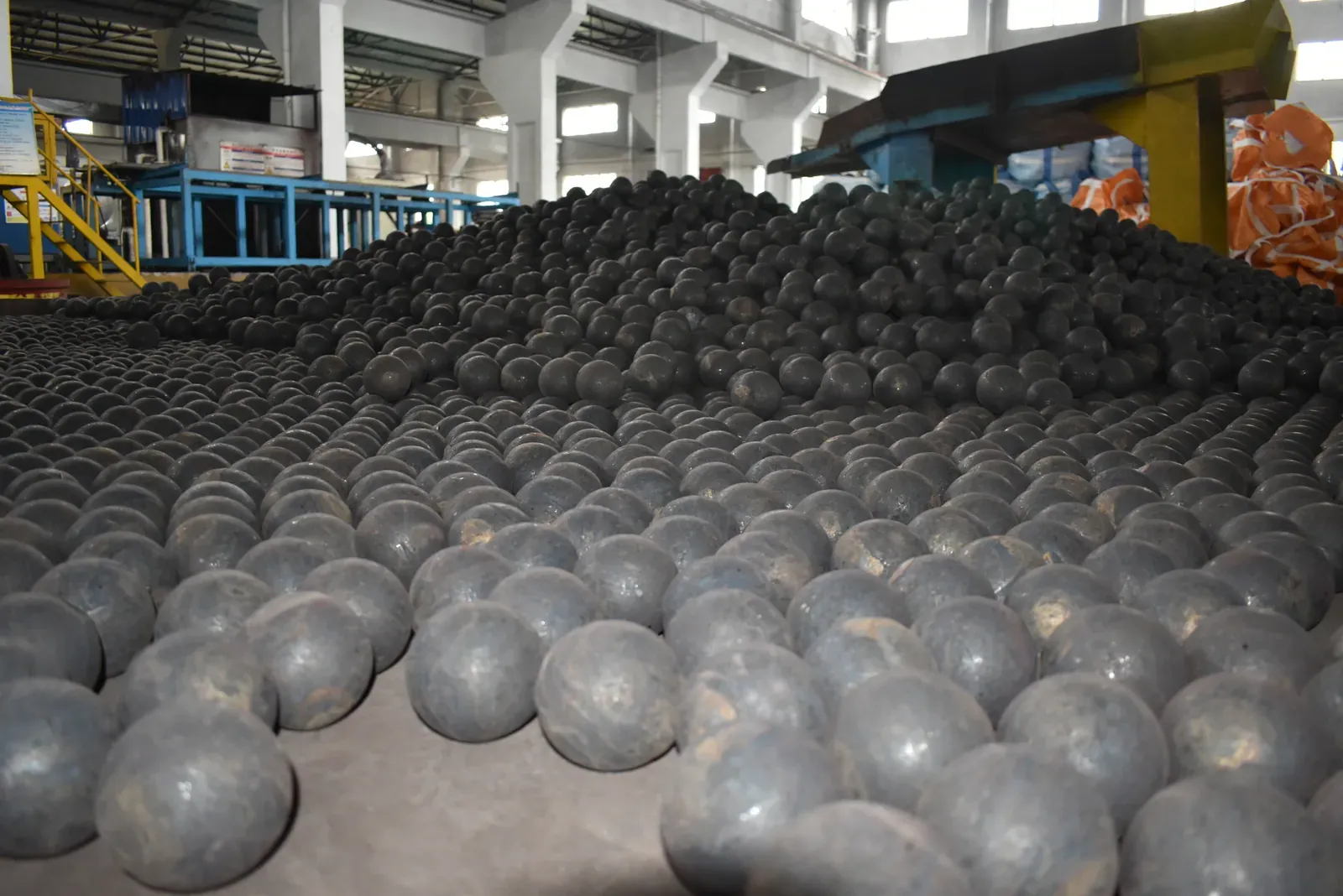
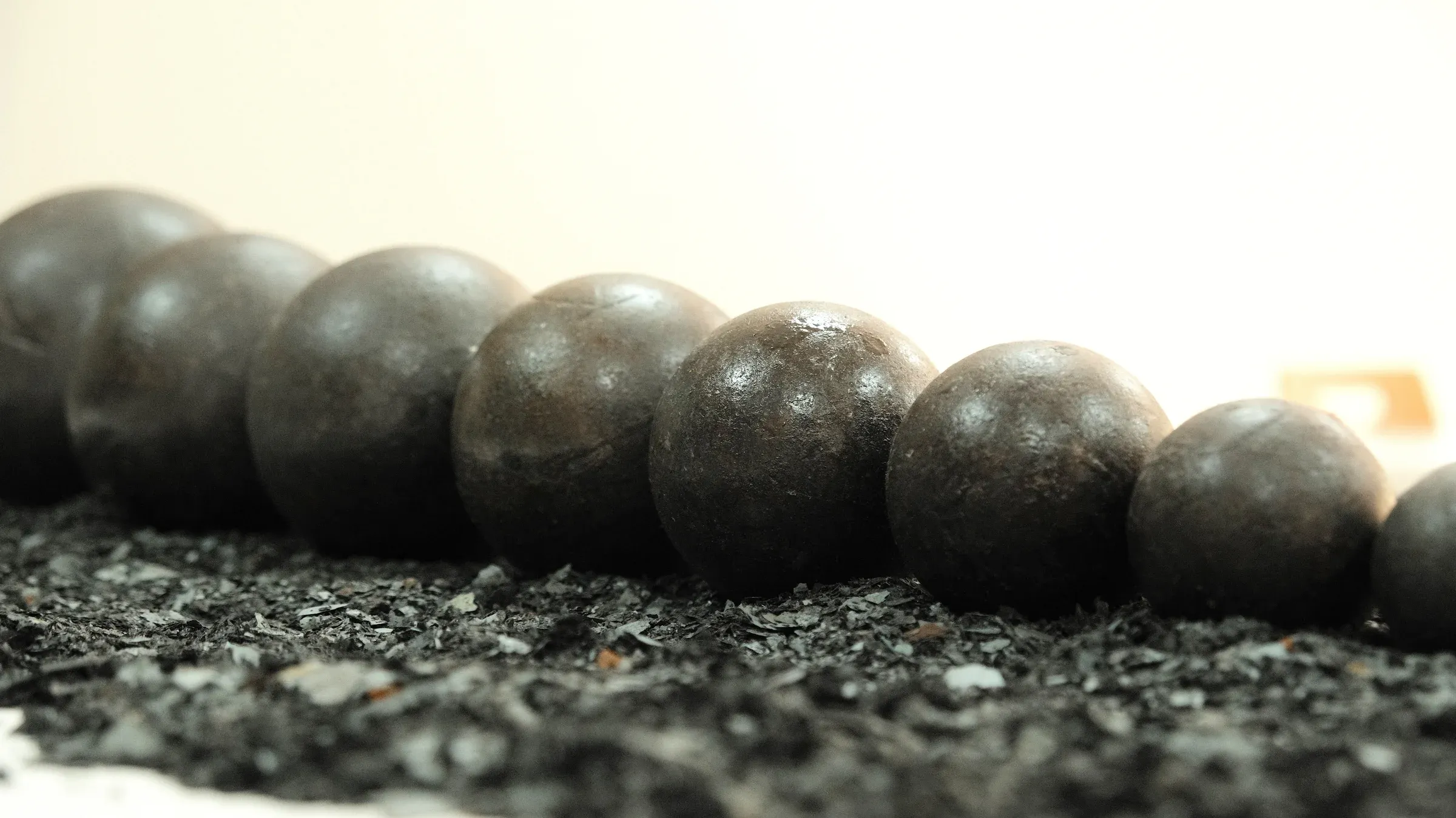
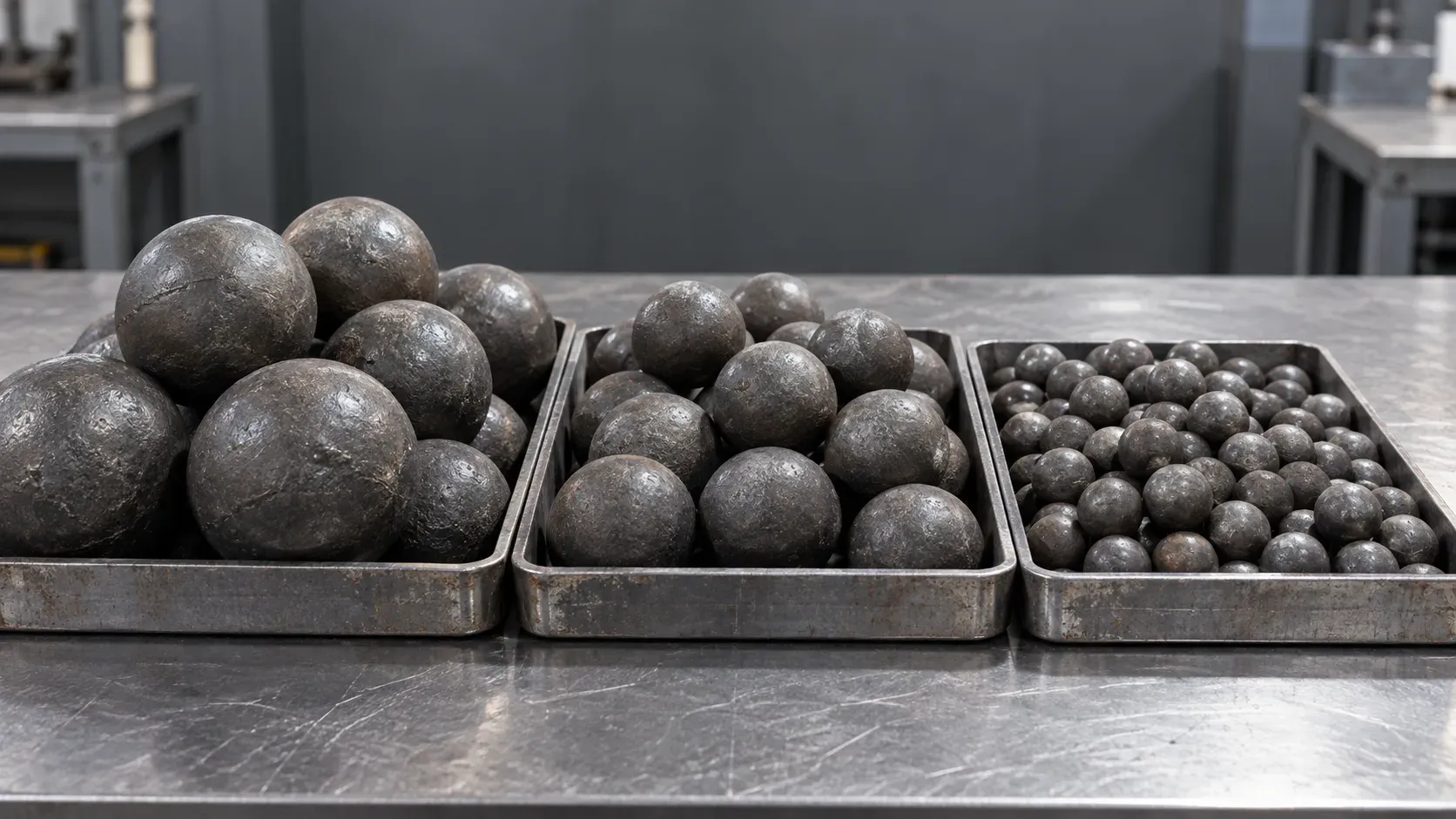
Forged grinding steel balls are the impact and abrasion media inside ball mills for gold, copper and other mineral ores. Their diameter mix, grade, hardness and toughness all affect grinding efficiency, ball consumption and liner wear.
We supply forged and hot-rolled balls in diameters from 20 to 150 mm as a graded charge. Selection is based on mill dimensions, feed size, ore abrasiveness, impact severity and target product fineness—not on a headline hardness figure alone.
Standard supply features
- Forged or hot-rolled from selected billet
- Hardness and toughness selected by operating duty
- Composition and hardness checks by batch
- 20–150 mm diameters for graded charging
Available configurations
- Forged steel balls
- Hot-rolled steel balls
Typical applications
- Gold and copper ball mill grinding
- High-impact mineral grinding duties and ball top-up programs
- Cement and industrial mineral processing plants
- Scheduled ball top-up and replenishment programs
How it works
How forged grinding balls work in a ball mill
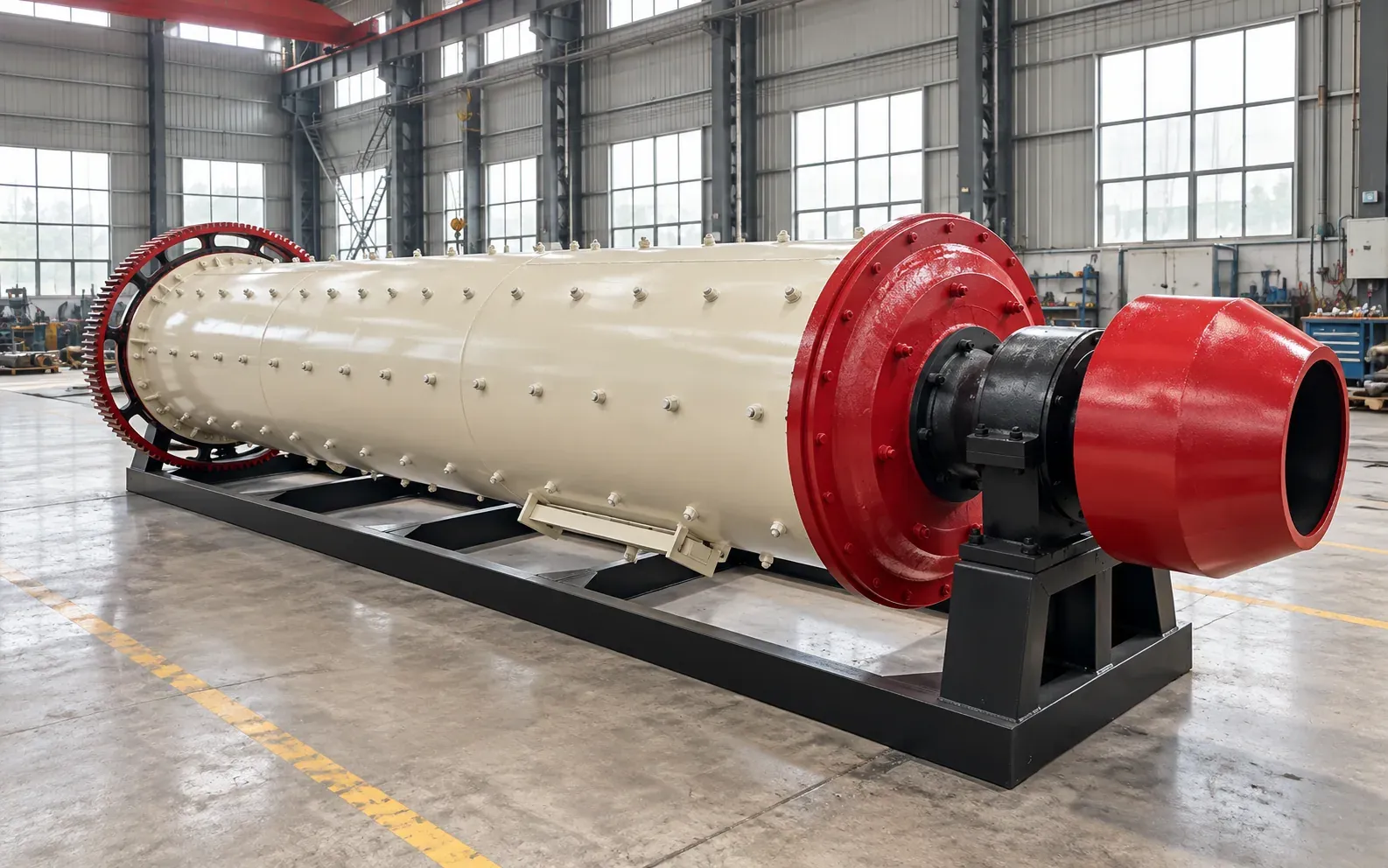
Inside a rotating ball mill, lifter liners raise the grinding-ball charge before it cascades through the ore. The falling larger balls deliver impact for coarse particles, while smaller balls add contact area for abrasion and fine grinding.
A correctly graded charge uses several diameters rather than one ball size. The mix, total charge volume and top-up frequency depend on feed size, mill dimensions, liner profile, ore competency and target grind. Mill data and actual consumption history make the selection more reliable.
Model and capacity guide
Forged grinding steel ball size and application guide
These ranges provide a practical discussion starting point. The recommended charge is usually a size mix, selected around feed size, mill dimensions and the required product size.
| Diameter range | Typical duty | Selection focus | Supply discussion |
|---|---|---|---|
| 20–40 mm | Fine or regrind duties | Product-size control and wear rate | Confirm the existing small-ball fraction |
| 50–80 mm | Conventional ball-mill grinding | Balance impact and abrasion | Match to feed size and mill diameter |
| 90–125 mm | Coarser feed or higher-impact duties | Toughness, roundness and breakage resistance | Review mill speed and impact conditions |
| 125–150 mm | Heavy-duty or large-media requirements | Grade selection and handling plan | Confirm mill design and lifting equipment |
Final diameter mix, chemical composition and hardness profile should be agreed from the actual mill, ore and consumption data. Do not select solely by one headline HRC value.
Manufacturing, inspection and packing
A look at production stock, quality checks and the finished grinding media before shipment.
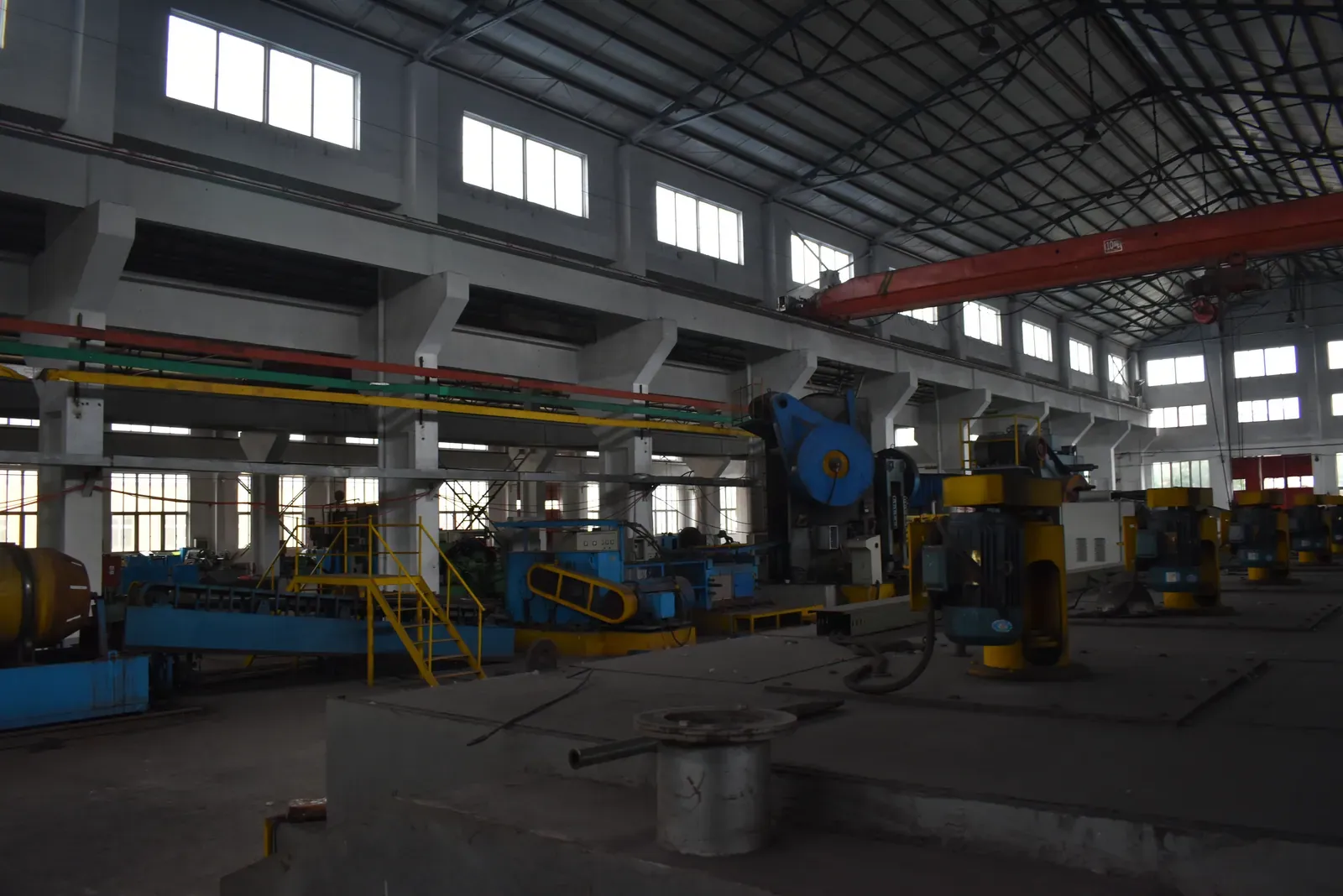
Production preparation
Material and production areas prepared for batch manufacture.
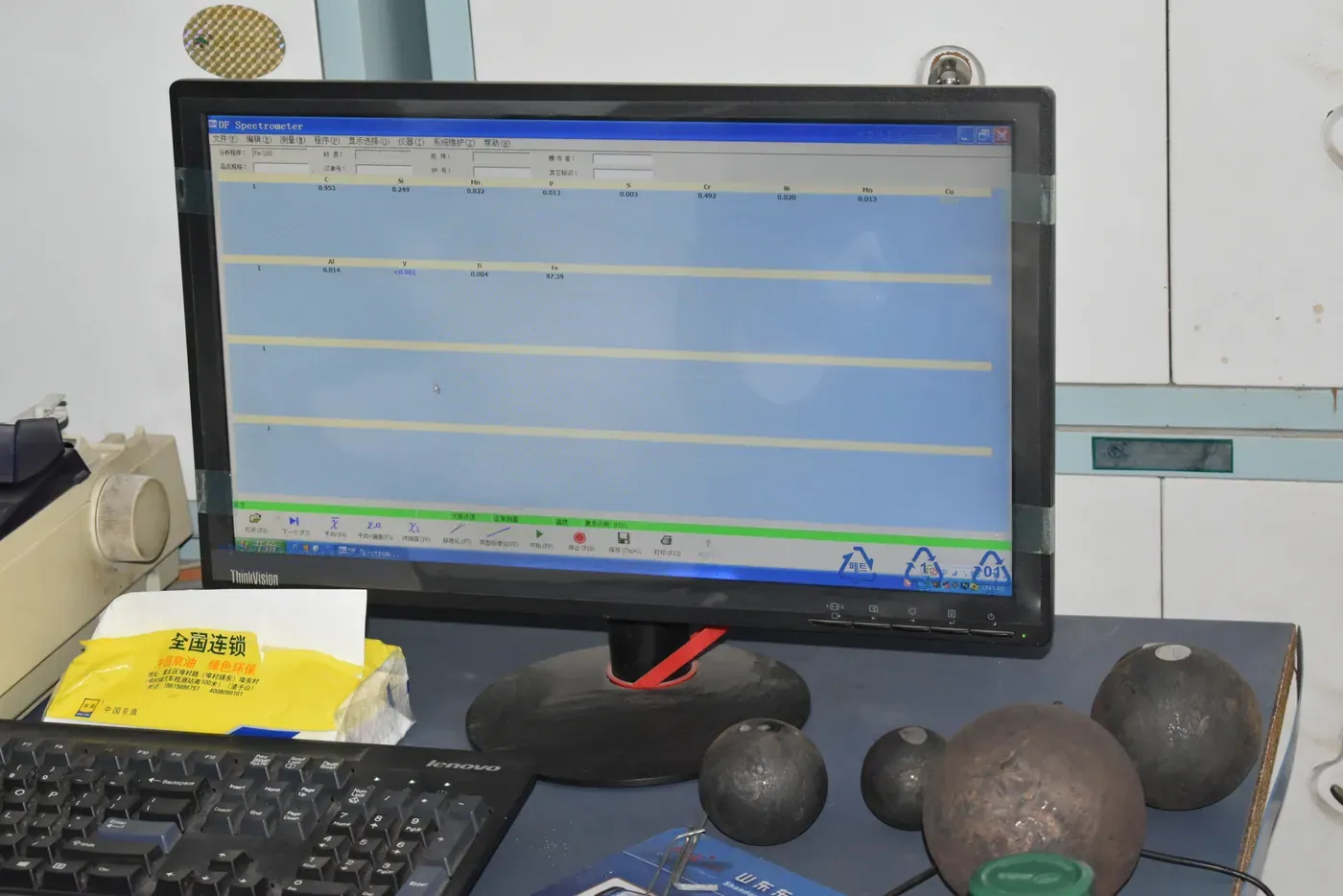
Batch inspection
Composition and hardness checks aligned to the agreed grade.
Finished media
Finished balls checked before packing and dispatch.
Why choose us
Duty-matched grades
Grade and hardness aligned to your mill and ore conditions.
Graded size mix
Diameter mix matched to feed size and target grind.
Batch checks
Composition and hardness verified for the agreed grade.
Supply planning
Packing and top-up deliveries arranged around consumption.
Frequently asked questions
FAQ
Clear inputs and realistic expectations produce a more useful technical and commercial response.
What ball size is used in gold ore mills?+
Most mills run a graded charge, not one diameter. The mix depends on feed size, mill dimensions, operating speed and the target product size.
Forged or cast grinding balls—which should I choose?+
Forged media is commonly preferred for high-impact duties where toughness matters. Cast media can suit other conditions. The right choice should be based on the working duty and total consumption, not a general rule.
How is the grinding-ball size mix selected?+
Start with feed size, mill diameter, liner profile, charge volume, ore competency and target product size. Larger balls support coarse breakage; smaller balls increase contact area for fine grinding.
What quality checks matter for forged steel balls?+
Check diameter tolerance, surface condition, chemical composition and hardness profile against the agreed grade. For high-impact duty, toughness and breakage performance also matter.
What information is needed for a quotation?+
Send ball diameter range, grade or chemistry if known, mill type and size, monthly consumption, packing preference and delivery destination. These inputs make the quotation comparable and practical.
Can balls be supplied on a top-up schedule?+
Yes. A scheduled supply plan can be arranged around your actual consumption, storage capacity and delivery route, with packing selected for safe handling at site.
REQUEST A QUOTE
Share your requirements and receive a clear quotation for your project.
- Direct factory supply
- Technical configuration support
- Export packing and documents
- Parts and after-sales support